Chef Armond Joseph of Léon 1909 (29 West Neck Road, Shelter Island, 631-749-9123) is not afraid of a challenge; certainly not when exquisite flavor is the reward of tenacity and toil. And if you’ve had the opportunity recently to taste the Shelter Island shrimp he’s been serving this month, then you’ll know why the hours-long processing is worth it.
Yes, you read that right: shrimp harvested from local waters near Shelter Island. A local bayman discovered the little fast-moving shellfish about a year ago and has been harvesting them by night (they are nocturnal) and selling them mostly to Asian restaurants in the city, where they are highly desirable and often fried whole in the shell. They aren’t new, but they’ve been slow to enter the broader culinary world. In Rhode Island, fisherman discovered them around 40 years ago. Around 2020, some Montauk boats started hauling them in as well.
Joseph was presented with a batch to check out, and so began weeks of trial and error in figuring out how to process the persnickety island crustaceans.
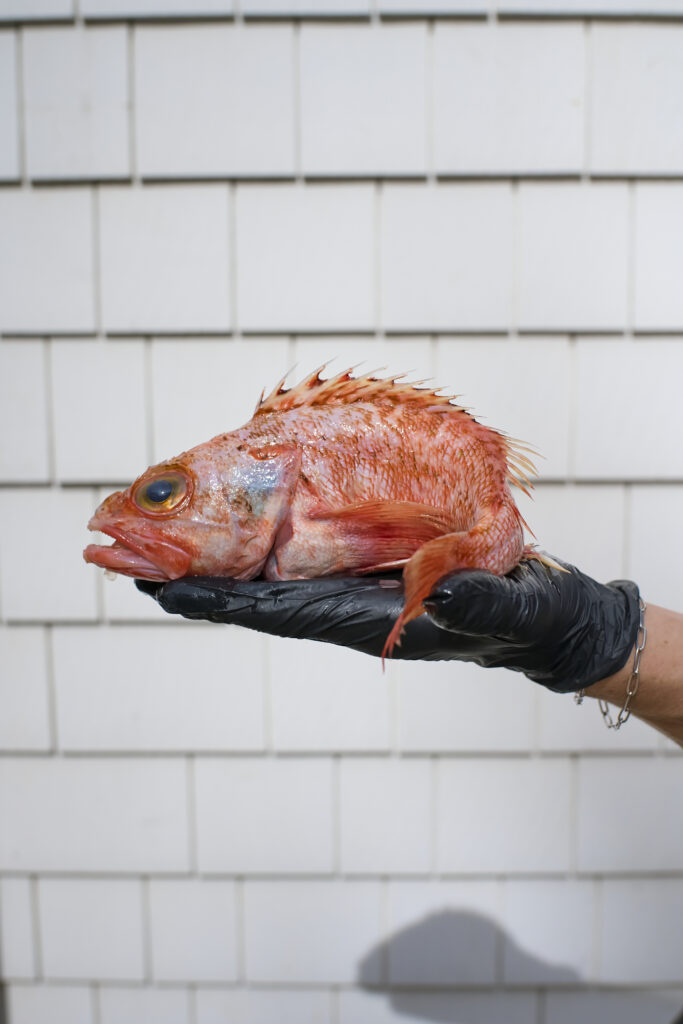
Known as mantis shrimp, if Marvel has room for a new superhero (or villain) they would fill the bill. They are equally fight and flight, known to throw a formidable clawed punch without hesitation, and can move, like Superman, faster than a speeding bullet. But those aren’t the only attributes that make this flat-bodied sea creature a challenge for a chef.
“There’s an enzyme in this shrimp, it’s in all shellfish, but what it does is degrade the flesh and make it really soft, really quick,” says Joseph, who took about a half a month just to figure out how to work with the bay-bound pugilists. Indeed, unlike the fresh, sweet snap of a perfectly cooked Gulf shrimp, when you bite into a mantis, its flesh has a gorgeously soft, almost custard-like texture that melts on the tongue. But to even get to that moment of a plate set in front of you, a lot has to happen
“Naturally, these shrimp are super, super soft, so to process these we have to get them live and we have to do it immediately. The only way to slow this enzyme is to do this process very quickly. But it’s also not a normal shrimp,” he continues. “The meat is incredibly hard to get out of the shell. So we have to dispatch them, trim them and immediately blast freeze them in order to peel off the shell and get the flesh out perfectly. Then we have to immediately freeze that again, which will slow the enzyme a bit.”
It takes one person about 12 hours to process 25 pounds of them, which also pushes them to the pricy side of things at around $50 a pound (more than recent prices on Peconic Bay scallops, if you can believe it).
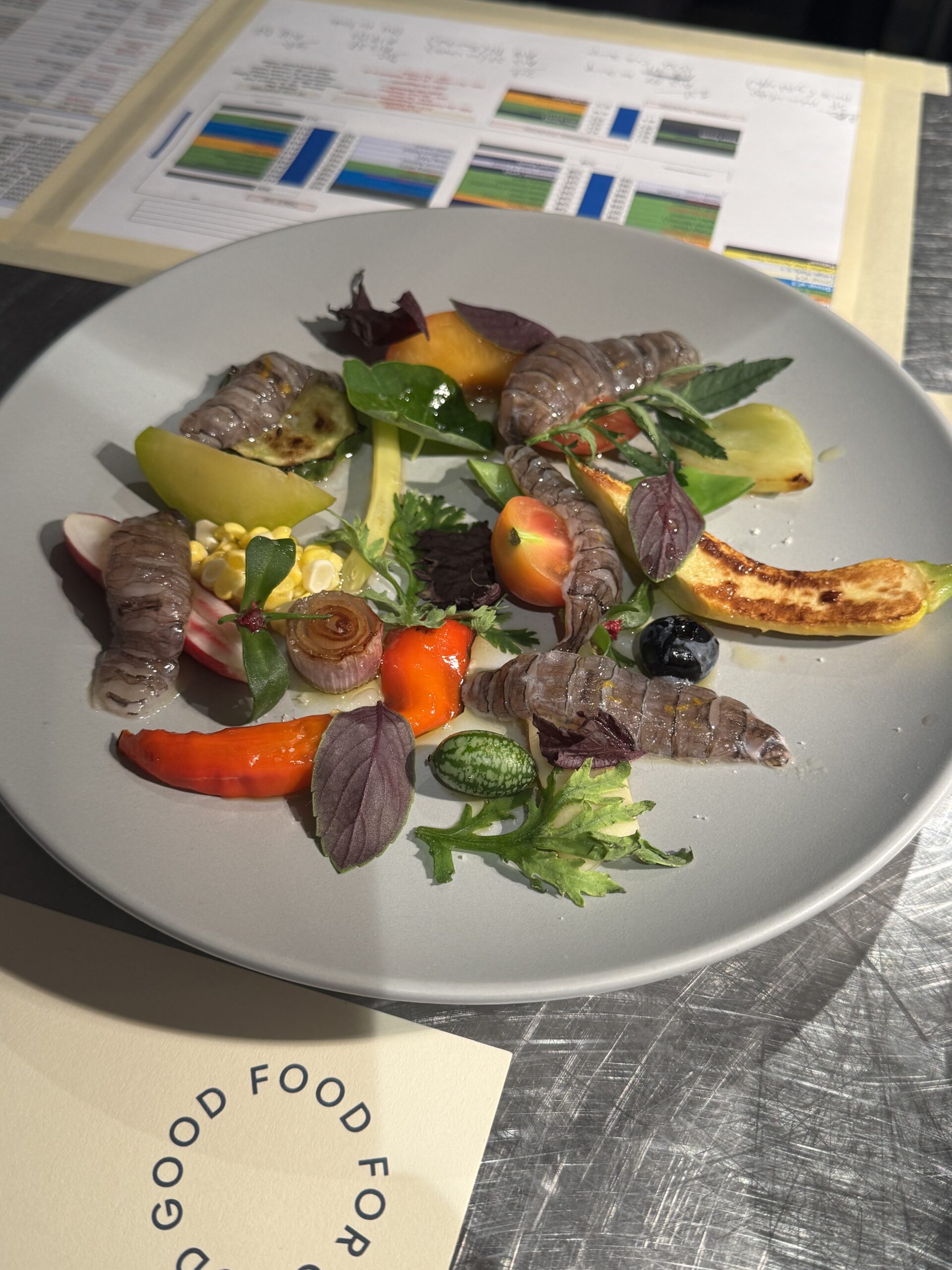
But combined with the alluring texture, the flavor is unlike anything from our local waters — a sweet-savory intensity, almost like a milder version of sea urchin. Its bruise-y purple color, too, is unusual, and needs little adornment. Joseph debuted a dish made with them in the beginning of August at Platform By the James Beard House at Pier 57 in Manhattan, although since then he’s worked through a few iterations of the best way to present them. His favorite so far: poached in a mild Sardinian olive oil and dotted with the flowering bits of African Blue Basil from his own garden. And really, that’s all it needs. It’s currently on the Starters section of Léon 1909’s menu at $40 a serving.
“This dish to me,” he says, “is the taste of Shelter Island.”