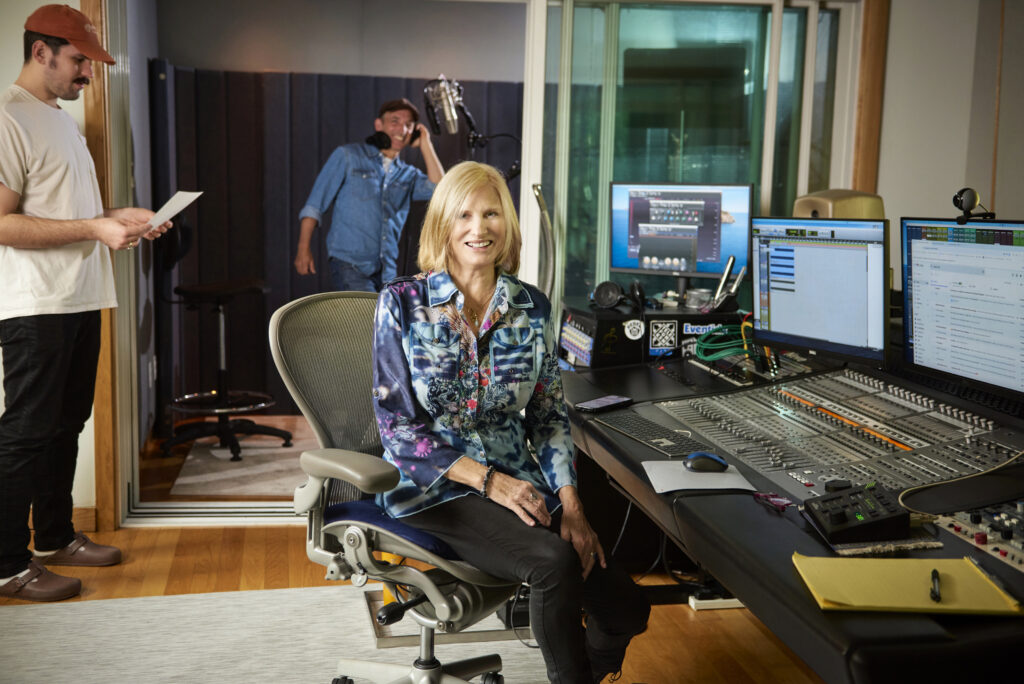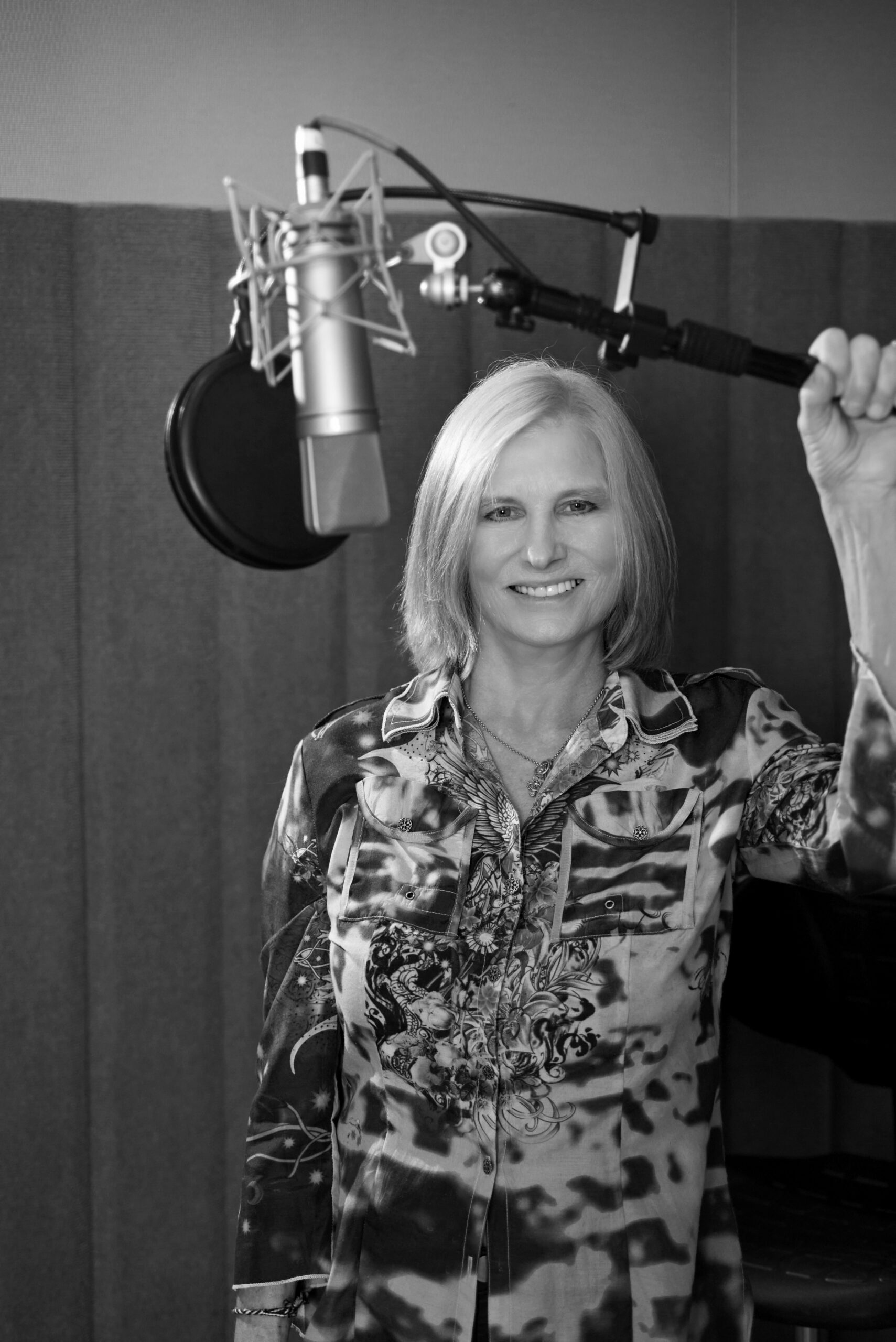
From her East Hampton-based state-of-the-art MonkMusic Studios, producer and sound engineer Cynthia Daniels has been sought-out on the regular by some of the biggest names in the performing arts. Daniels has spent a lifetime hopelessly devoted to music and sound — and at this point in her career she’s definitely got some thoughts on the topic…
1. What’s the special sauce of the East End music scene? It’s a deep relationship that the East End fosters. When I moved here in ’98, before I even had a studio, we would have songwriting circles in my house. When we would play together, something magical would happen that can be better than sex. They are the people I still continue to use in my studio as New York-level players. Musicians and bands that have built a cult-like following with their audiences; people I’ve known since they were in their 20s and now they’re playing for decades and get better, and write better songs, and grow and change as artists.
2. Has technology made it harder or easier to be an up-and-coming artist today? For a long time now, people haven’t been as attached to thinking the only way to do this is to get a record label and jump into the machine. If you have the talent, I am all for people being able to explore their creativity without having to break their bank. But what I do is not easy. You don’t just throw up a mic and not worry about the technical considerations that go into making a good recording. My biggest issue is with people who buy a bunch of equipment and think that they’re professionals and end up dumbing down the taste and quality. I do believe that the public knows the difference. But I also have heard amazing sounds come out of people’s so-called home studios. Billie Eilish and her brother Finneas are a great example. It depends on how talented you are and what you do with the tools. Just because you have a studio doesn’t mean you are the greatest thing since sliced bread.
3. Is it easier or harder to be an artist today? I think it is just as hard as it ever was, and it’s always been hard. Go back to Elvis. Go back to Frank Sinatra. Go back to Salieri and Amadeus. The next young dude who comes along, and then all of a sudden you’re out. Things haven’t changed that much for artists: What’s hot and what’s not. But I still believe in the power of gathering an audience. You need to go out and play and find out if people want to listen to your music. There are so many artists out there, there’s so much information, and there’s such a short attention span. At the end of the day, I think a good song is a good song and people know talent when they hear it.
4. Like fashion, music follows trends that come back around. Have you noticed any styles making their way back recently? Something I have noticed is a style of music that I spent 25 years of my career working on a lot of. It’s a style of music that Nora Jones brought back, and that is what we would call the Great American Songbook. There are three artists in particular right now: Laufey [pronounced Lay-vey], Liana Flores and Samara Joy. They all sound like Ella Fitzgerald-style, but they’re not. It sounds old style, but it’s very moving, compelling, and the natural vocal talent is clear.
5. Everyone’s talking about artificial intelligence in every aspect of life and work. How do you think it’s affecting the music industry? Some of it’s financial, that people are leaning on AI; some of it’s curiosity, like a toy. You say, give me a country [song] based on the topic, “I hate my sister’s dog” and make it sound like Taylor Swift, and literally in five minutes it’ll come up with background vocals and a fully produced [song]. It’s mind-blowing. Does everyone know the difference? Absolutely not. But if you’ve been eating fast food your whole life, are you going to know the difference if you have a real steak? I bet you are. I think the jury’s completely out on how it’s affecting the music industry. I’m a futurist. I don’t believe in sitting with my arms folded and saying, “No, not in my backyard!” Right? But I will resist some of the ethical implications that AI brings up, like ownership and transparency, which is telling people something is yours, when in fact you asked AI to do it.