The Ladies’ Village Improvement Society has been keeping East Hampton beautiful since 1895.
Fittingly, in honor of America’s 250th anniversary this year, the LVIS Tree Committee, in partnership with the Village of East Hampton, recently announced a decade-long commitment to plant 250 trees, “symbolizing growth, resilience, and a shared investment in the nation’s future,” according to a press statement from the society.
“Planting 250 trees over the next 10 years is our way of honoring the past while actively shaping a greener future,” says LVIS Tree Committee chair Olivia Brooks. “As we approach this historic milestone, we believe it’s important to celebrate not just where we’ve been, but where we’re going and how we can play a role in that journey.”
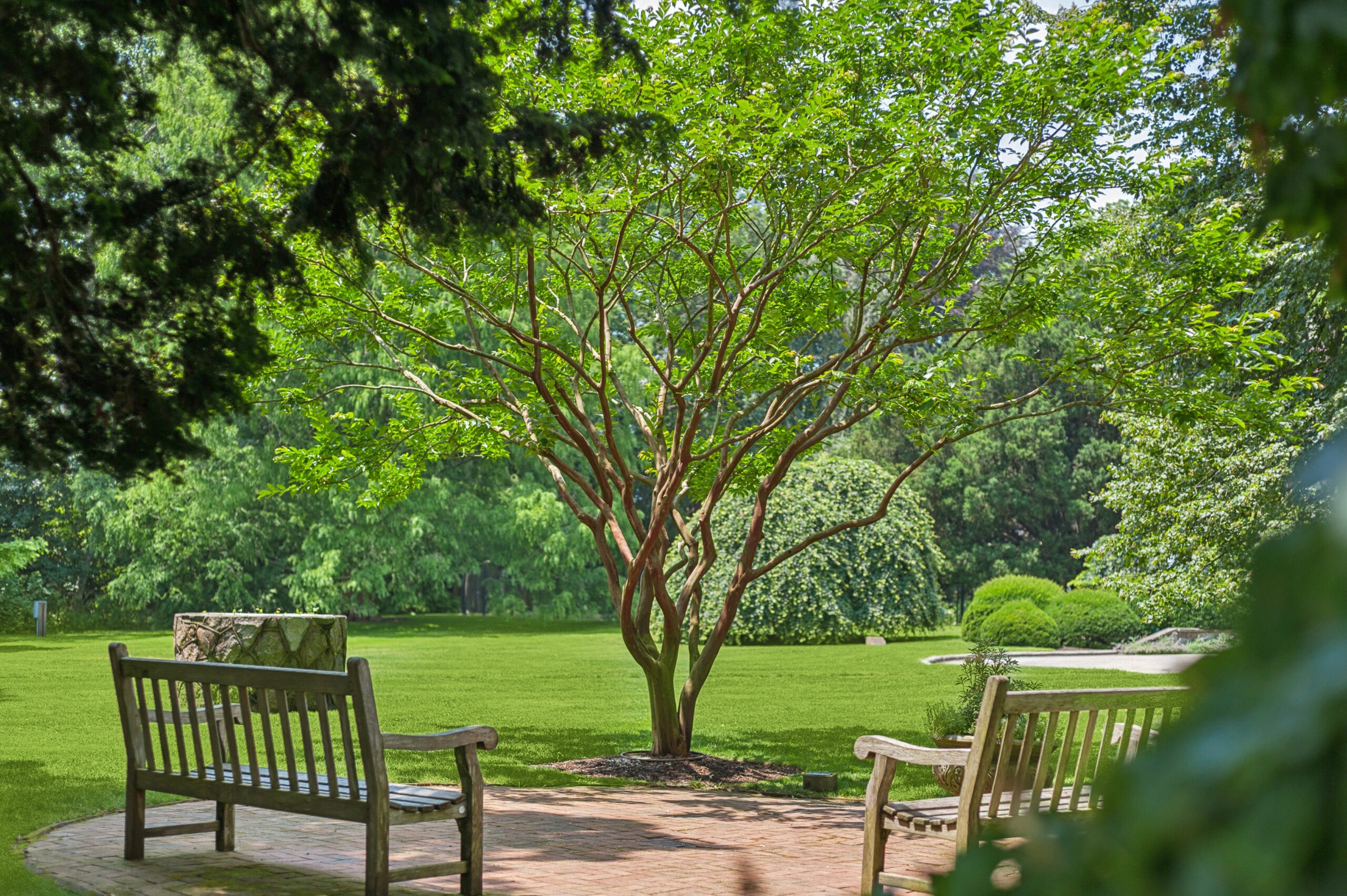
As champions of historic preservation throughout the village (and in some cases, beyond), the LVIS and its Tree Committee is also responsible — in conjunction with village departments and officials — for the maintenance of the trees, greens, ponds, parks and natural elements that help beautify East Hampton. Since its inception, the LVIS tree committee has worked with the village’s Department of Public Works to plant and care for more than 3,500 trees, “making it one of the oldest public-private stewardship programs in the United States,” the statement says.
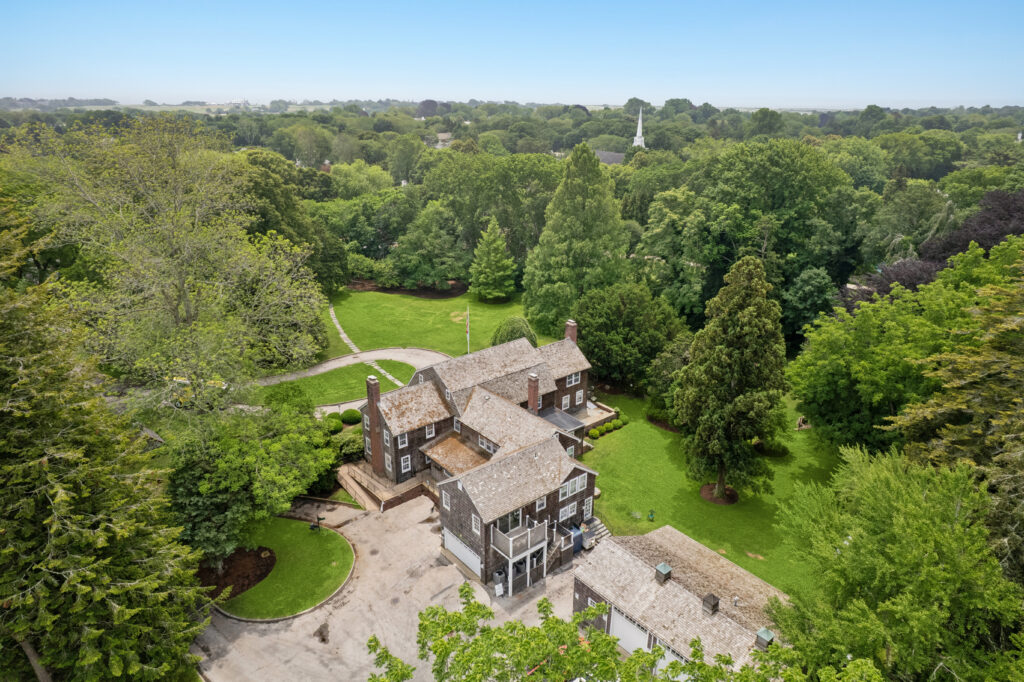
Led by Brooks, who’s served as the 25-person strong committee’s chair for about 20 years, the initiative will see the planting of several different types of species of trees sourced from mostly local vendors. Since the 1950s the tree committee has worked to combat Dutch elm disease, monitoring and treating more than 120 elms annually, in partnership with the village and Cornell University. Additionally, the committee tends to their ample tree plaque program, maintaining about 800 memorial and dedication plaques throughout the village. They provide organic care for newly planted trees, replace them as needed and also helps to care for East Hampton’s community green spaces and public areas, such as Town Pond and Hook Mill.
“We like to keep it as diverse as we can,” she says in terms of what kinds of trees will be planted. “Sometimes it depends on the specific streets or wherever else we need to plant. The mission for LVIS has always been to replace trees that are taken out by the village who owns the trees. We have 3,500 trees, so right now we’re adding others to it, but there could be others coming out as well, depending on ages, diseases, all of that.”
A commemorative tree will be planted in honor of the 250th anniversary, and each new tree will be catalogued in the newly created village tree database and will be staked, fitted with a water bag and provided nutrients. In addition to the myriad plantings slated for the next decade, the tree committee is also working toward finishing a database documenting every tree, including those that part of the plaque program, as well the condition the tree is in.
“What it’s going to do is not only audit all of the trees, but it’s going to audit all the white space,” says LVIS executive director Rachel Cooper. “So, any viable planting spots, which is why it was so important for this 250th initiative, because not only are we replacing trees that have to be taken down or are sick, but now we’re going to know where we have the best planting locations. They’ve already got some of those things mapped out as part of this long range plan, which is super cool, so you’re not just doing it year to year, there’s this very thoughtful plan that’s going to be in lockstep with the village planning three for green space and canopy and other things that they want to do with beautification and safety, and it’s really all fitting into a much bigger comprehensive plan for what’s this village going to look like long term, and how do we sustain it.”