Perhaps the best mantra to follow for the fall gardening season is “less is more.”
Contrary to its spring counterpart, autumn is the time of year where clean-up duties are not as time critical. However, efforts made in the garden during the fall are crucial for success in the spring.
According to experts documented in Garden for Wildlife, an extension of the National Wildlife Federation which is the largest private, nonprofit conservation education and advocacy organization in the United States, fall is the premier time of year for planting, transplanting and preparing.
“If you get plants in the ground before the soil freezes, they’ll have a chance to establish roots when they’re not trying to put out leaves or dealing with heat or drought, which can be tough on a perennial,” says Mary Phillips head of Garden for Wildlife programs for NWF. When choosing what to grow for pollinators, “focus on species needed by specialist bees that eat pollen only from a narrow range of plants,” she continues. Here are a few easy-to-do tips on gardening in the fall:
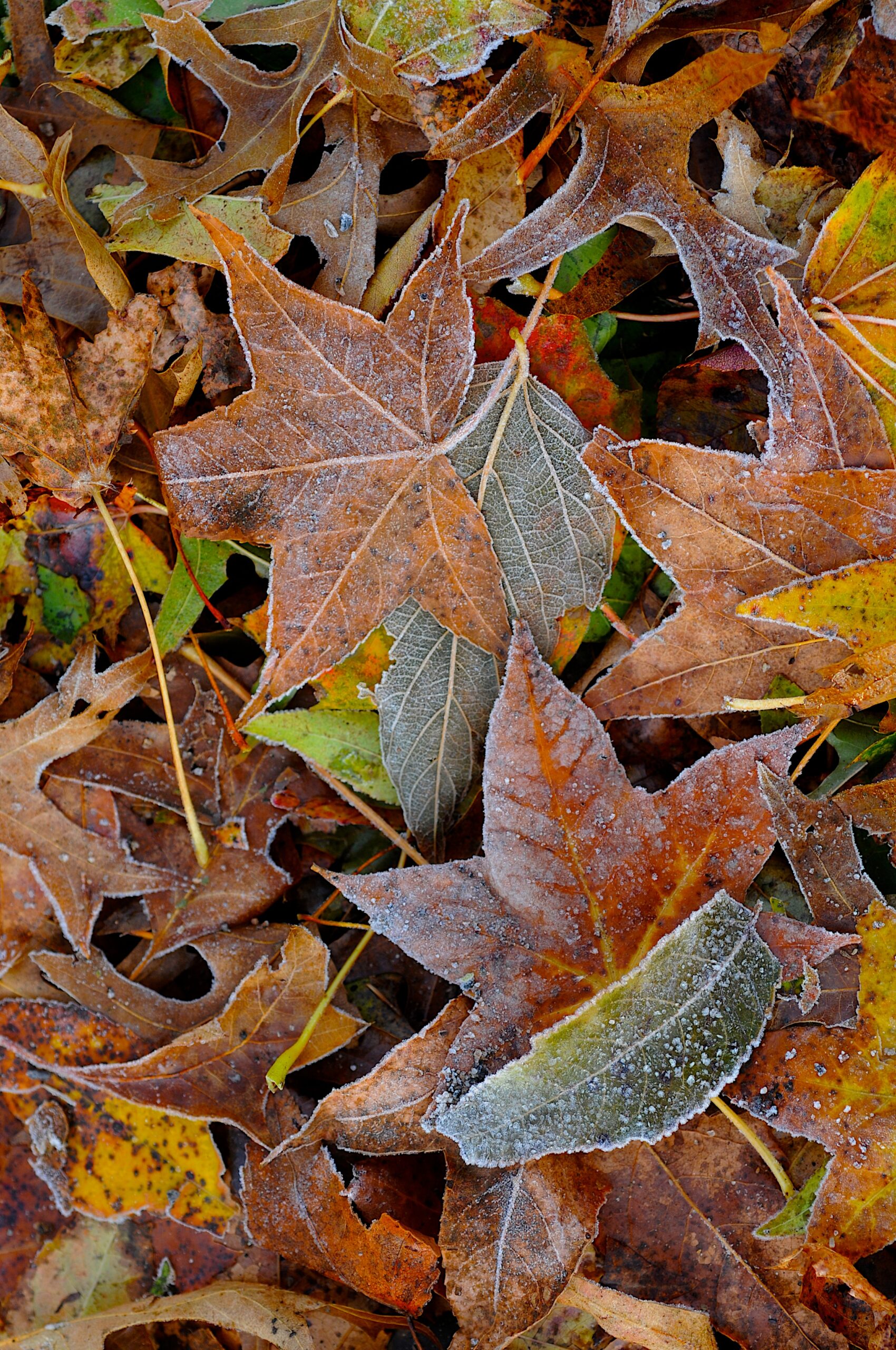
- Leave the leaves. Resist the urge to rake everything into bags. Leaf litter provides essential shelter for beneficial insects, including the pupae of many butterflies and moths. Simply rake the leaves onto your garden beds as natural mulch and fertilizer or leave them be. The need to dispose of leaves is “one of the biggest false assumptions about fall cleanup,” says National Wildlife Federation naturalist David Mizejewski, “and it’s a bad idea if you want to help wildlife survive winter, see butterflies in spring or have your vegetables pollinated in summer.”
- Don’t deadhead your flowers. Leave perennial stalks and seed heads standing. These provide food for birds like goldfinches and juncos, and hollow stems offer nesting sites for solitary native bees.
- Plan your new beds. Now is a great time to take inventory and plan. A 10-by-15-foot area (150 square feet) can typically hold 64 native plants, allowing two to three feet of spacing for mature growth and spread. Start mapping out your space now.
- Weed, weed, weed. The most important chore of all, that will pay dividends for years to come, is to weed, says Pat Curran, horticulture educator at Tompkins County Cornell Cooperative Extension, located in Ithaca, NY. “You will find weeds hiding under the skirts of your perennials, or next to your frost-killed veggies,” Curran says. “Many of these may be ‘winter annuals’ — hardy weeds which live all winter and go to seed in spring, before you notice them or get to them. Pull them up now while they are small and save hours of weeding next spring and for years to come.”
There are plenty of Hamptons-based garden centers and nurseries ready to offer hands-on advice to ensure a successful transition season for your garden. Sag Harbor Garden Center (11 Spring St., 631-725-3345) is currently offering a sale on shrubs and perennials while landscape design and property care experts Marders in Bridgehampton (120 Snake Hollow Road, 631-537-3700) holds garden talks and presentations nearly every weekend for the rest of the year.