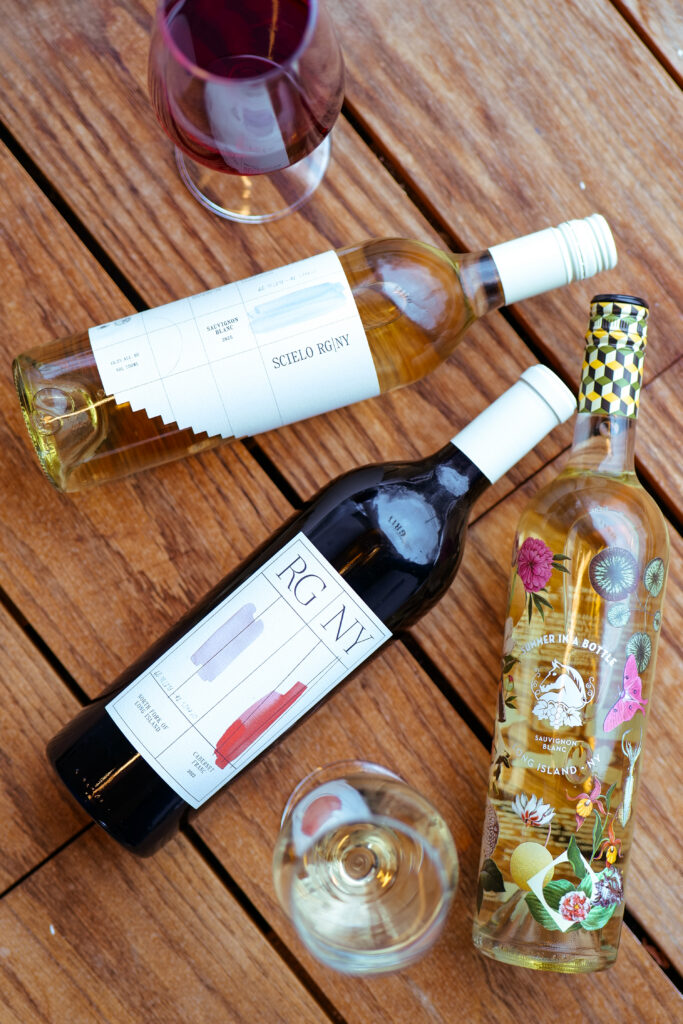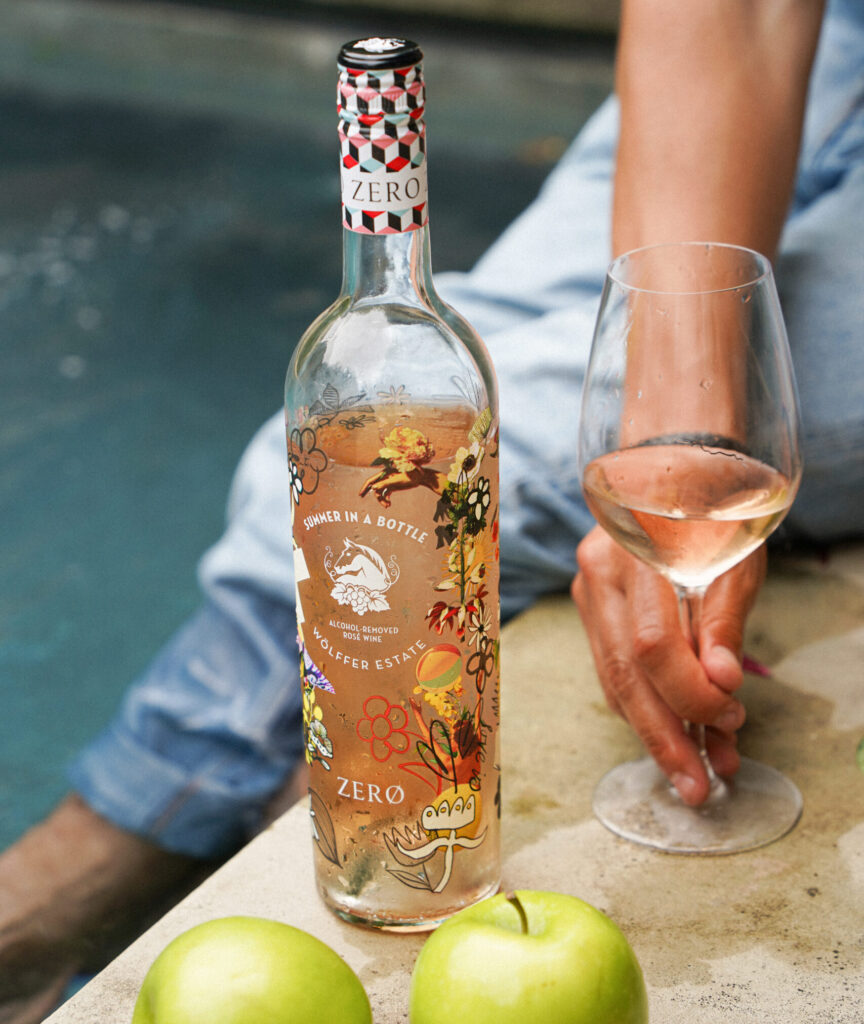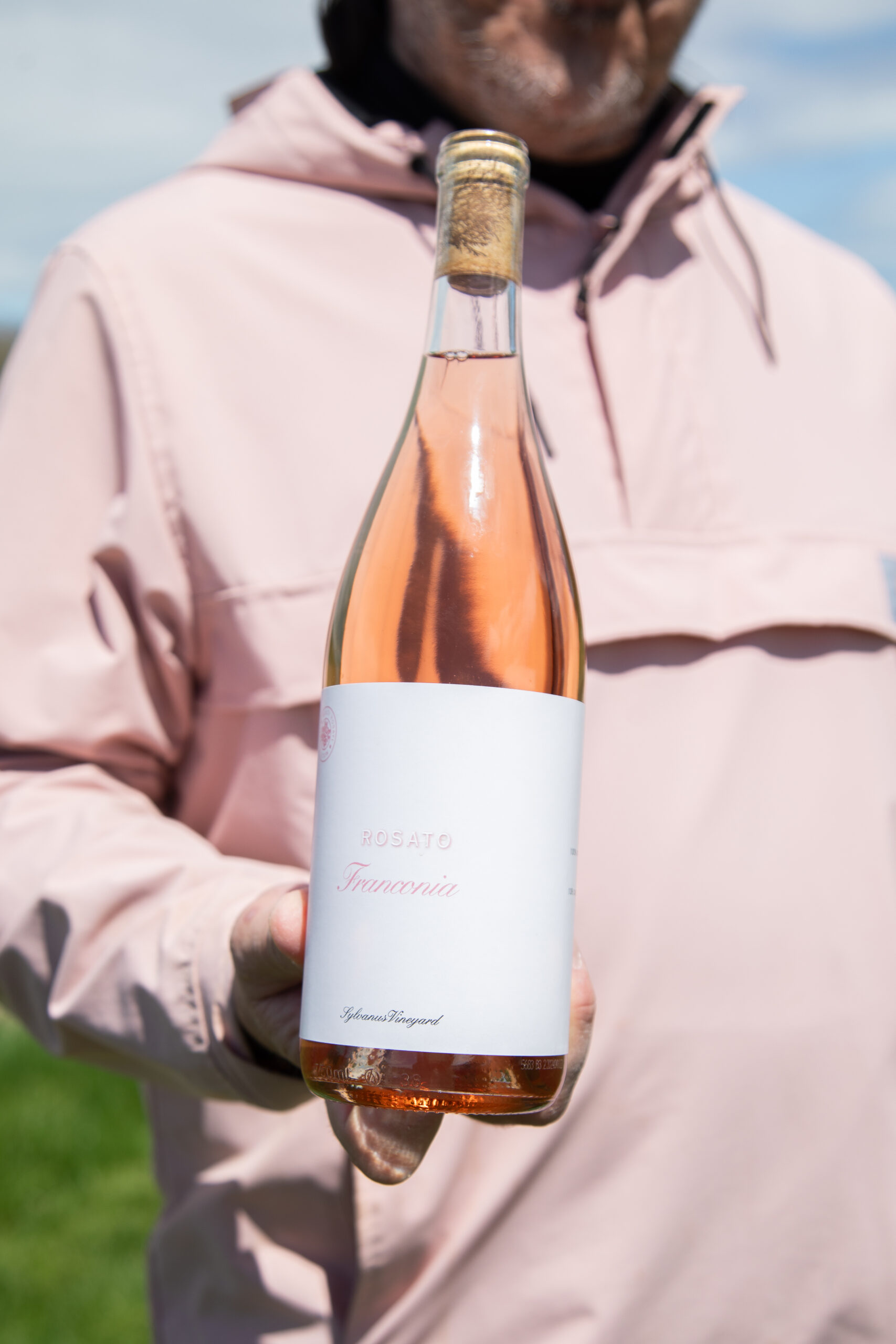
While we are big proponents of drinking pink all year round, we can’t deny that summer in the Hamptons and on the South Fork’s sandy shores is prime rosé time. The weather, the fresh seafood and produce, the sunsets on a sandy beach. It is, truly, the perfect pairing of scene and sip.
“Rosé is just so delicious and such a versatile style of wine,” says Christopher Tracy, partner and winemaker at Channing Daughters in Bridgehampton. “Within the context of our region, making different rosés really expresses the difference of particular sites and grape varieties. There’s a wide selection of successful styles and hues of wines we can do on Long Island.”
But for such a seemingly simple wine, there’s some confusion (and misinformation) on what, exactly, rosé is, outside of the notion that it comes in some shade of pink. Luckily for us here on the South Fork, we have two wineries that not only make across-the-board outstanding wines in general, they each happen to have a penchant for particularly good pink, too.


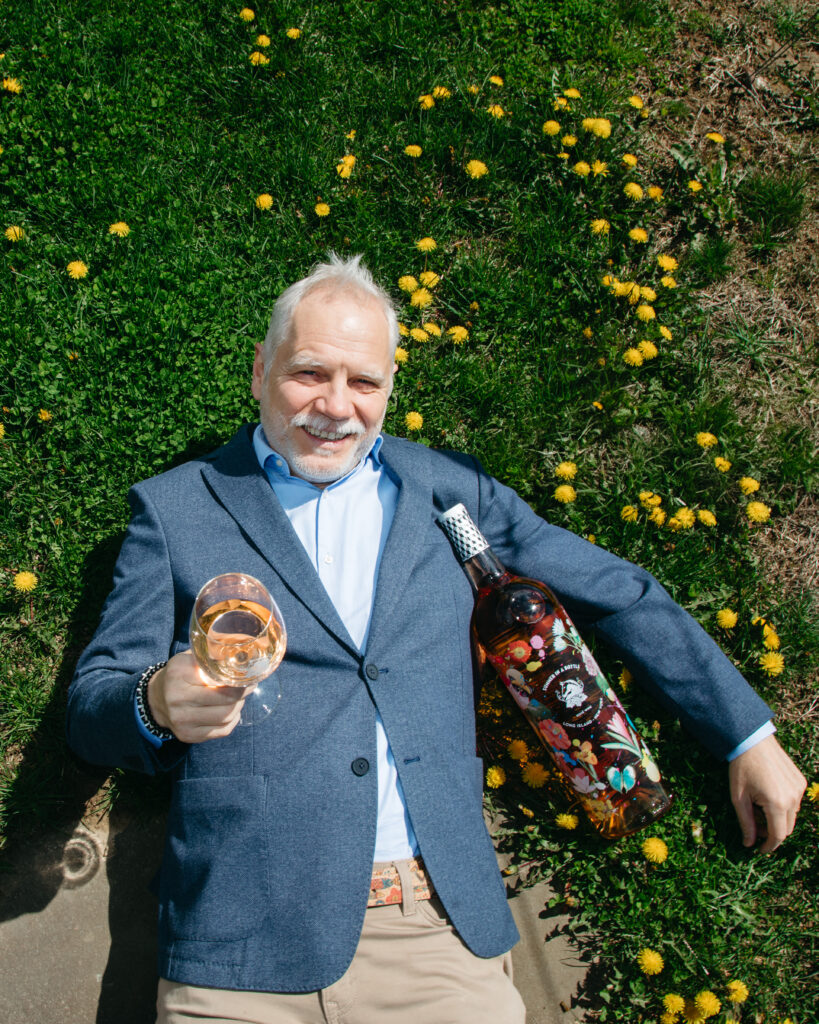
Drink pink! From the palest hue to deeper, more saturated versions to different grapes, there’s a right rosé from Long Island for any occasion or meal. (Photos by Madison Fender)
Channing Daughters Winery (1927 Scuttle Hole Road, Bridgehampton, 631-537-7224) and Wölffer Estate Vineyard (139 Sagg Road, Sagaponack, 631-537-5106) couldn’t be more different from each other, from house styles and the grapes used to make them, right down to the vibe of their tasting rooms. But they are both serious about their excellent rosé, producing multiple versions and styles from myriad grapes. If you want to know about rosé, you don’t need to fly 3,000-plus miles to the south of France; you only need to look to your own backyard.
What Is Rosé?
An embarrassing question, no? No! If you’re not a winemaker, there is zero reason you should know the answer to this. The only thing you really need to know is that you like what’s in your glass. We don’t do wine-shaming over here at Southforker — but we are happy to give you a little local intel to help you make better decisions with your money and your sipping time.
As a generally accepted rule, rosé is a light-style wine made from red grapes, be it one type of red grape or a bunch of different red grapes. Why red? Because while the pulpy flesh of all grapes is white, it’s the skins where you get color (and other things, too, like tannins, which give you that dry tongue-snappy sensation in your mouth).


Channing Daughters winemaker Christopher Tracy (left) and Wölffer winemaker Roman Roth both pride themselves on producing good pink. (Photos by Madison Fender)
But while all kindergarten-painting logic points to rosé being a mashup of red and white grapes equaling pink, that’s by and large not how it’s made. There are two widely accepted methods:
1. Crushing some gorgeous red grapes picked for the sole purpose of making rosé and letting them sit around, or macerate, with the juicy inner pulp and the skins hanging around together for a particular period of time in order to pull out that pink hue for the final product, or
2. In the interest of making a more concentrated, bigger-style red wine, taking away some of the fresh juicy-juice after red grapes are first pressed — in essence, bleeding it off from the rest. That pulled-off, first-press pink liquid is used to make rosé. It’s sort of a waste-not, want-not, bulk-up-your-red technique.
What you need to know here: That first method — the on-purpose one, not the by-product one — is how both Tracy and Roman Roth. winemaker and co-owner of Wölffer, make theirs. With conviction.
Color Us Impressed
Now, let’s get to the issue of color. Only the palest of pale Provençal rosés are the good ones and dark rosés are sweet and weird, right?
Wrong!
Remember method #1 above? Where the crushed grapes sit around on the skins? That, and only that, dictates how dark a rosé will be. Time spent with the skins. That’s it. Sugar has nothing to do with it. In fact, a rosé with a darker hue may very well hit you with an impression of being drier on your tongue. They can be glorious, especially with meals in which you want to have a little extra grippy tannin in the mix to stand up to, say, charcuterie or grilled meats.


“We’re here today to celebrate rosé!” proclaimed winemaker Christopher Tracy at the annual Channing Daughters Rosati Party on April 27. “We love rosé, we love celebrating what it does and how it pairs with the bounty from our bays and our ocean and land.” (Photos by Madison Fender)
Pale or dark, a rosé presents itself as a dry wine if it’s made as a dry wine. We’ll try to make this part as quick and painless as possible, but any sweetness you detect is from sugar, be it left purposely in the wine by not fermenting it out or added after the fact.
A quick sip-sized science lesson: Grapes naturally contain sugar. Alcohol is made when yeast consumes that sugar (aka, fermentation). If the yeast munches on all the sugar present, there’s little to none of the sweet stuff left and you’ve got a dry alcoholic beverage. Et voila! If the yeast doesn’t munch on all the sugar (because the fermentation accidentally stopped before it was done, or a winemaker stopped it on purpose), then the wine will be sweet. How do you know? Check the alcohol content. If it’s somewhere over 11% abv, you’ve got a dry wine on your hands. Less than that? Candy in a bottle.
There is some history to the misinformation. For many of us, wines from the south of France, and Provençe in particular, were our first taste of pink (unless your first taste was Sutter White Zinfandel — and seriously, no judgments here). The style from that region tends to be just kissed with color, which makes sense in a place where fresh seafood reigns supreme and you want a crisp, refreshing, acid-driven, not-tannic wine to go with it.
Is it better or best? Only if it’s delicious to you. Pale or dark, if it’s a well-made wine, then it’s a good wine.
Pink Pronouns
Even in this day and age, rosé as a category could stand a little global DEI training and certainly, even still, some good old-fashioned anti-chauvinistic, gender-judgment rewiring.


Both Channing Daughters and Wölffer Estate Vineyard have serious rosé programs that make a good chunk of their annual wine. (Photos by Madison Fender)
Roth, who makes just under 47,000 cases of rosé between the Long Island bottlings and his more recent rosé projects in Argentina and Provençe under the Wölffer name, and sells his wines in 37 out of 50 U.S. states, is still shocked to see embarrassingly outdated ideas when it comes to pink wine and who drinks it. That pink means it’s silly at best; at worse, that female buyers of the wine don’t know a good wine from a bad. Seriously. In 2025, there are jerks with opinions like this.
“First of all, people thought rosé was a bad wine; like a cheap wine and a sweet wine,” says Roth. “And some older drinkers still have
that mindset. And the other one is there’s a bit of a prejudice that pink wine is not serious. But it is serious. I think that’s the misconception.”
And by serious, what Roth means is good. While 47,000 cases of rosé might sound like a lot, in the wine world that’s still considered the amount of a small winery. For the five rosés Channing will produce this year, that number is even smaller: somewhere between 1,500 and 2,000 cases. At that level, there is no unserious wine. You can’t afford to waste a drop in stock or reputation. It’s all well-made because it must be.
Rosé, All Day Yesterday, Today, Tomorrow
Another myth-buster for blush: You unequivocally do not only have to drink it young.
Young rosés tend to be zippy and fresh, a delicious, quenching style that absolutely works wonders in hot, humid eastern Long Island weather. But youth isn’t everything.
“I think as soon as March and April roll around, people are looking to get the newest vintage of rosé. And that’s great because the wines are delicious, fresh and right out of the gate. But any rosé of real quality, I think, develops for at least one, two, three years in the bottle,” says Tracy. “And there are plenty of rosés that develop far beyond that.”
For the last decade, Tracy and his wife and partner in Channing Daughters, Allison Dubin, have thrown their annual Multi Rosati bash on the grounds of the winery each spring for wine club members. This year’s line-up included Long Island hero grapes like merlot and cabernet franc, but also fascinating outliers like refosco, lagrein and blaufränkish, as well as blends of all the above. But the really interesting part of this pink party wasn’t just the new rosé releases for the season, but the bottles of prior vintages ever on offer with which to compare and contrast. It’s become a special aspect of the daytime soirée that sippers have come to expect and appreciate (and sometimes even prefer).
“It’s always a little bit funny to see the mad dash and sort of myth of the freshest vintage,” says Tracy. “With the quality of rosé that we’re making and the fact that they do flesh out and change and are delicious for several years. They flesh out a little bit — texturally, the fruit character, flavor and aromatics.”
Another interesting facet of age on well-made rosé: While that young raciness will quell somewhat, what you’ll get is a wine that’s a little softer and a little more fleshed out and rounder. Which, actually, can feel pretty nice next to certain foods, or just sipped on its own.
But as to the current vintage that just hit shelves this season, it’s across-the-board a rosé season for record books. “The ‘24 vintage is a dream vintage, where we had three months with no rain,” says Roth. “This has never happened, ever. So the point is: It’s an exciting time for all of the rosés!”