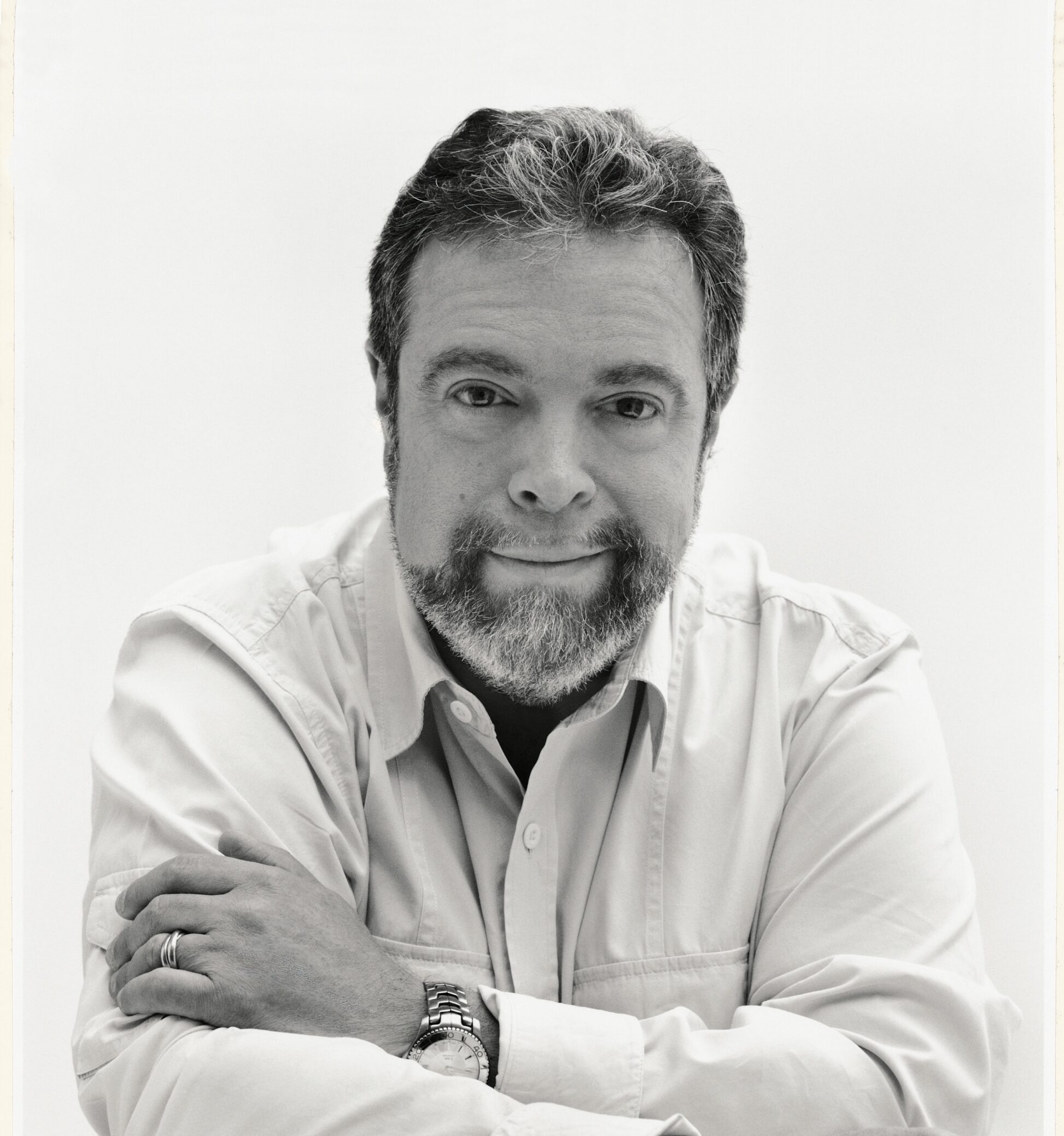
Is there a TriBeCa without restaurateur Drew Nieporent and his hospitality brainchild, Myriad Restaurant Group? Inarguably, this pivotal, fore-thinking visionary was part and parcel to turning a once warehouse-laden, fringe area of downtown Manhattan into an international must-dine destination.
More than a few real estate moguls owe their fortunes to Nieporent’s reign on the downtown restaurant transformation. It all began with his French phenom Montrachet (the New York Times awarded it three stars after just two months open), the celebrity-backed TriBeCa Grill, Corton, Bâtard and a little place you may have heard of in passing called Nobu that he opened with Robert De Niro and chef Nobu Matsuhisa, now spun into multiple countries and continents. Each place with a different kind of cuisine, a different vibe, but all with the same stellar commitment to service and mind-blowing dishes that turned dinner into a savored occasion.
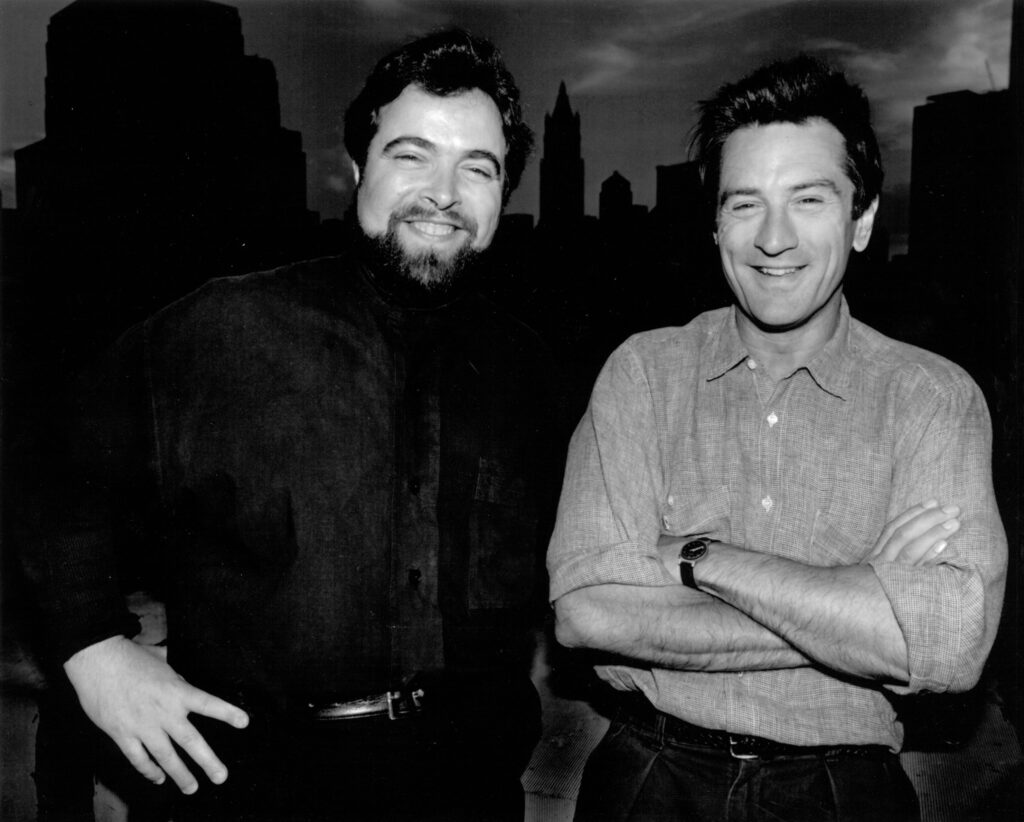
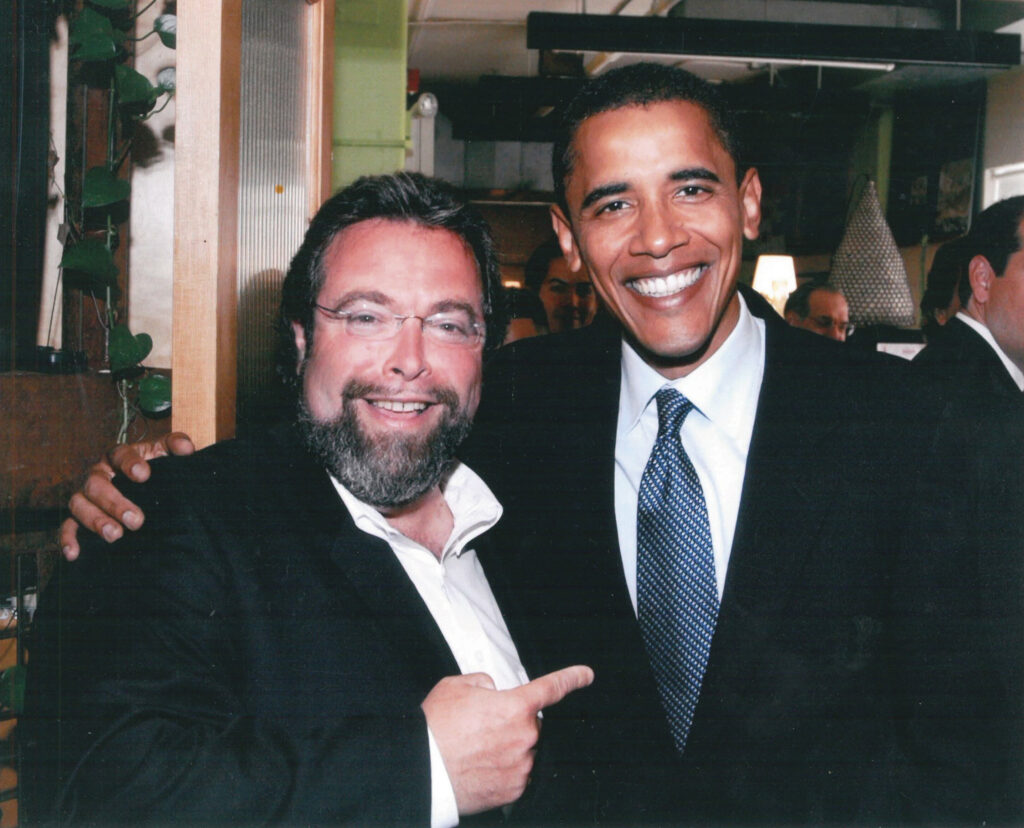
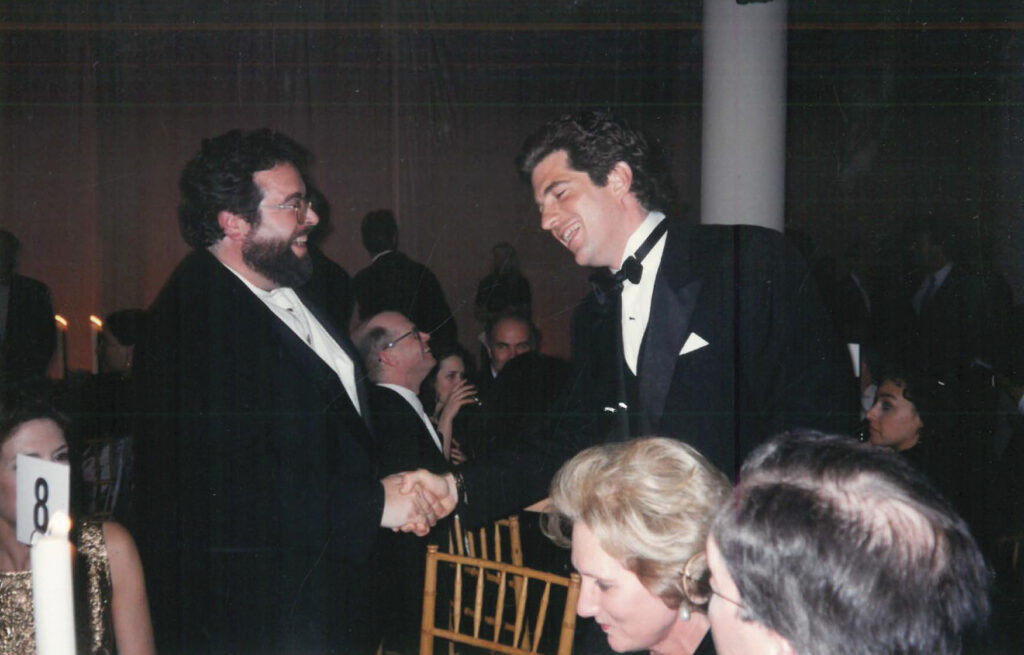
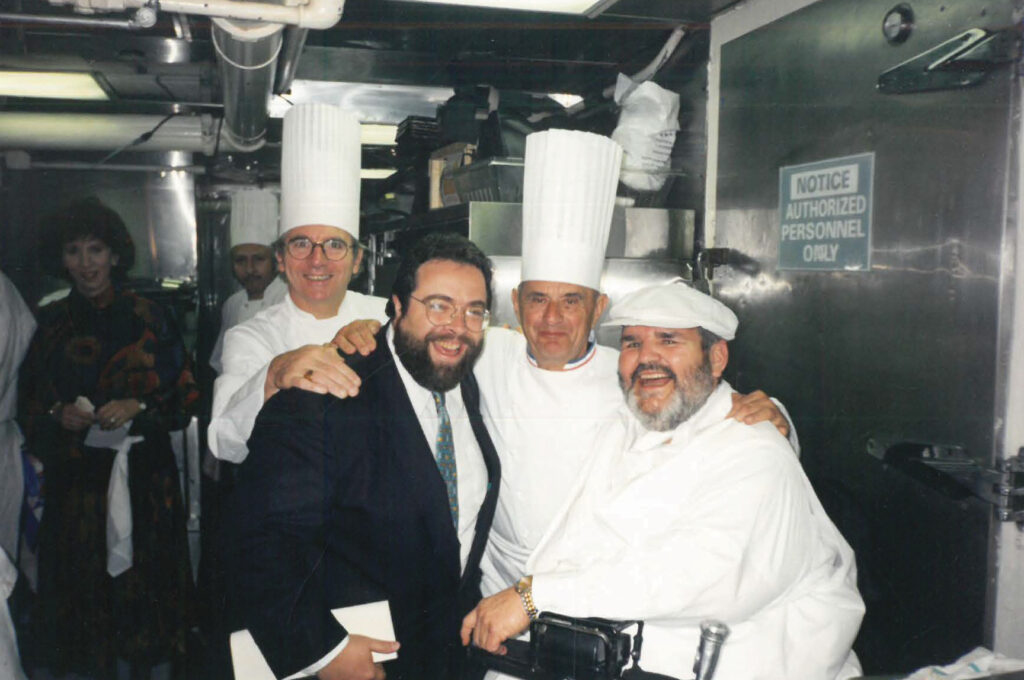
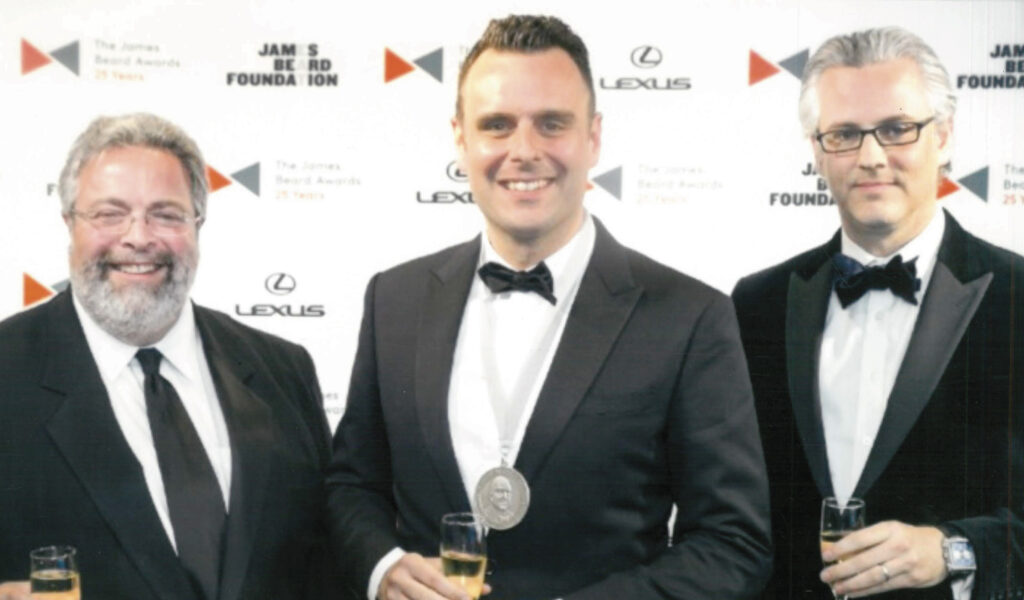
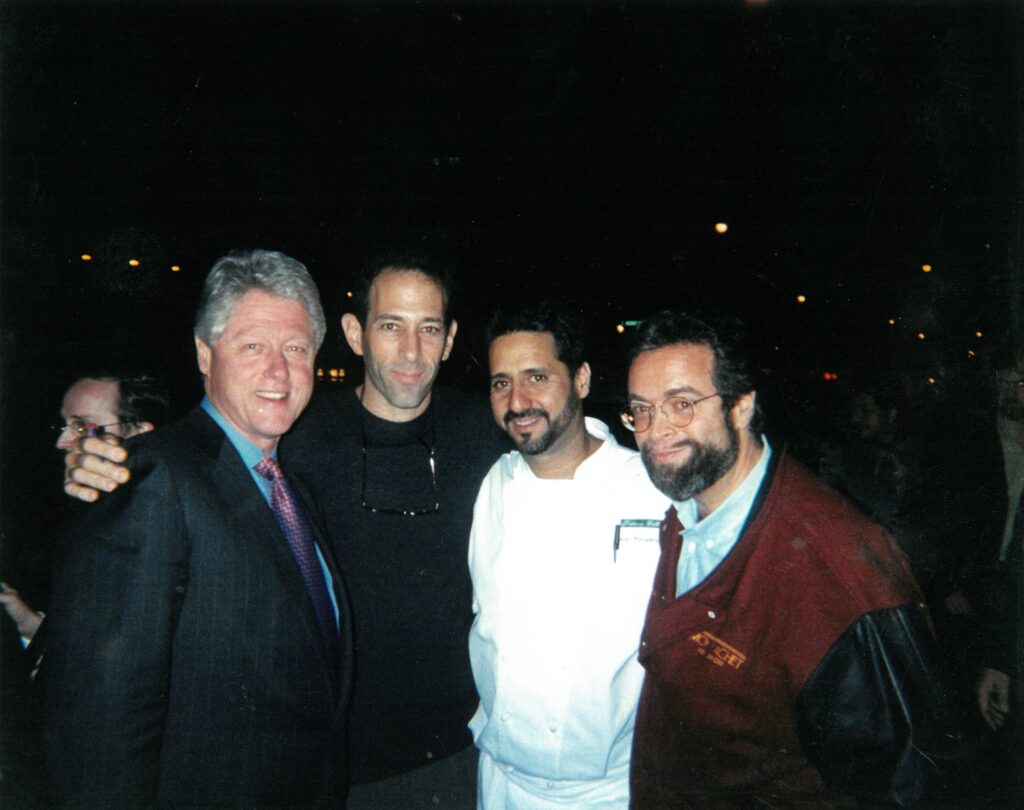
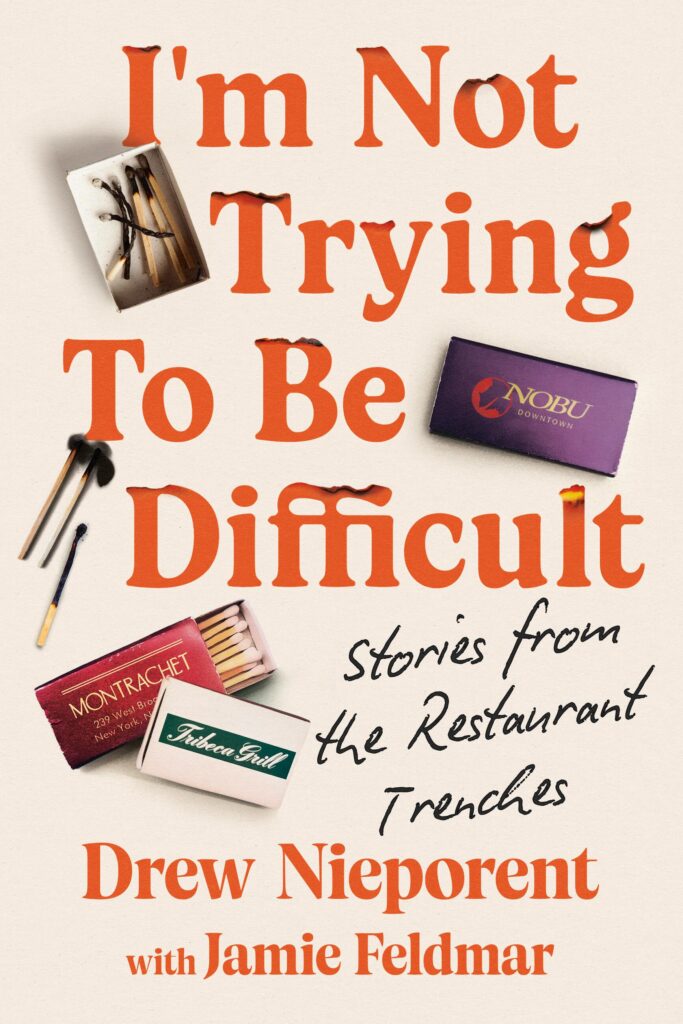
Serving celebrities, presidents, politicians, movie stars (and famously partnering with one to open TriBeCa Grill — Robert De Niro) Nieporent’s incredible career made his restaurants a constant hot-ticket. (Images courtesy of I’M NOT TRYING TO BE DIFFICULT: Stories from the Restaurant Trenches by Drew Nieporent. Copyright 2025 by Drew Nieporent. Reprinted with permission of Grand Central Publishing. All rights reserved.)
It’s been 40 years since he opened Montrachet, his very first — not a bad time to sit back and reflect on a wildly successful career. This month, Nieporent releases his memoir, I’m Not Trying to Be Difficult: Stories from the Restaurant Trenches, a delicious, bare-bones, personal dive into what it took to become one of the most iconic, ground-breaking restaurateurs of the 20th century, and the tenacity in turn to hold fast to the vision that created star-garnering spots with celebrity investment.
“What I would tell you is, in my opinion, the people that I’ve had to work with over the years to create a great restaurant, most of which were chefs, were very difficult. Of course, it’s a two-way street, and they saw me as difficult,” he says. “‘I’m not trying to be difficult’ is my way of explaining this is the way I got through it. I had to see my vision through and I was willing to compromise — I’ve always been willing to compromise — but there’s clearly a thread from [David] Bouley to [Paul] Liebrandt, with some of these chefs where they’re very talented and very difficult.”


Back in the early ‘90s, Nieporent took a toe-dip into the Hamptons, when advertising exec Jerry Della Femina approached the James Beard Award winning restaurant guru to help him open both his eponymous eatery, Della Femina, as well as the water-rimmed East Hampton Point (now Sí Sí and part of the EHP Resorts).
“I have all these stories,” he says, “but honestly, I’ve realized I’ve left a lot of out.”
What follows is one of those stories; the one about the making of the former East End hot ticket, Della Femina, a restaurant the New York Times called, “… an instant hit” with “… substantial rewards in the splendid food, speedy service and handsome surroundings.”
Of course, to get to that celebrated, wait-list moment in Hamptons history, Nieporent had to be … just a little bit difficult.
Myriad would come in and do a bit of everything. If you were a billionaire developer who owned a hotel in Midtown with a restaurant you didn’t know what to do with, you’d call us. In fact, this is how Myriad’s first project started: I was on a plane coming back from a charity event in Florida when I met Harry Macklowe, who asked me if I would consider working with him on a restaurant called Charlotte in the Macklowe Hotel.
For better or worse, I approached each opportunity like it was a completely unique undertaking. I wouldn’t give you our brands, Montrachet or Tribeca Grill, but would conceive of a totally distinct idea that fit your space and your clientele, then find you the perfect chef, hire the staff, train them, and hope for great results. In exchange, we were usually paid a fee or a percentage of gross sales. I don’t like to use the word consultant because what we did was much more hands-on, but if it helps you visualize what I’m talking about, sure, go ahead.
In 1992, Jerry Della Femina approached me with an idea for a new restaurant in the Hamptons. Della Femina is a legendary ad man (he’s said to have inspired Mad Men) and a totally over-the-top personality—Brooklyn-born, brash, loud, opinionated. He loved good food almost as much as he loved attention. We hit it off right away.
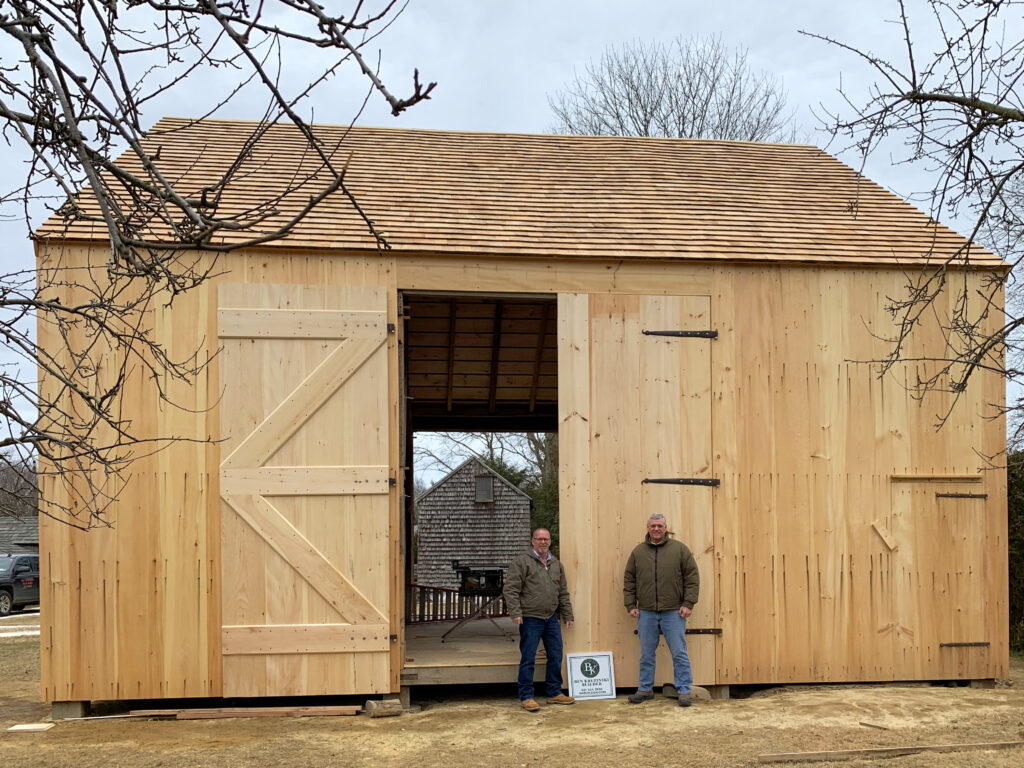
Jerry had partnered with Ben Krupinski, the “builder to the stars” in the Hamptons, who had built houses for Billy Joel and Martha Stewart. Krupinski was a real cowboy, so I had my reservations as I went out to visit the construction site.
First glance at the floor plans and I sensed something was off. I asked, “Where are you being greeted by the host?” They showed me the plan—it involved entering the restaurant, walking down a long corridor, and meeting the host right in front of the bathrooms. I told them that wasn’t a good idea. “Why don’t you do it like this?” I asked and showed them a revised plan where you would enter and immediately turn left into the dining room. Sure, you had to go up three steps, but that was better than navigating a labyrinth to the toilet before checking in. Plus, my plan fit at least five more tables, which was probably an additional $50,000 in revenue over the course of a year.
Krupinski wasn’t pleased. He whined about how much money it would cost to redo his layout. I stuck to my guns—an extra $50,000 a year would more than make up for the change in plans. Once again, I felt I was dealing with people who had no idea how to build a restaurant. I didn’t suggest these things to be difficult—I suggested them because I knew they worked, and that’s why they hired me to begin with. They relented, and Della Femina opened to much fanfare. I promoted Pat Trama, one of my best opening sous chefs from Tribeca Grill, who was itching for a new opportunity and ready to take the reins on his own.
The restaurant was an immediate hit with the Hamptons crowd and quickly cemented its reputation as the place to see and be seen within its first summer. The food and service were better than any of the tourist traps in town, on par with serious destinations in the city. Business was so good that the next year, we decided to open another restaurant together called East Hampton Point. There, I promoted Gerry Hayden, another one of my most capable sous chefs at Tribeca Grill. As Myriad expanded, there was plenty of opportunity for my people to move around and up within the group, and that was very much by design.
Chefs, waiters, managers—they can all get bored of doing the same thing over and over again, and I was happy to move my best people around if it kept them invested.
East Hampton Point was also a hit—a beautiful room, with waterfront views, and an elite clientele to match. I thought I was pretty seasoned at appeasing egos when working the door and seating the room, but the Hamptons crowd was on another level of entitlement.
One night, as I was working the door, a well-dressed gentleman got in my face. “I don’t like what you did tonight,” he said.
I was confused. What did I do?
“I don’t like the table you gave us,” he said.
I said, “Sir, you make the table. The table doesn’t make you.”
I walked away, thinking that was the end of it. A few seconds later, I felt a tap on my shoulder. I turned around, and before I had time to realize what was about to happen, this guy’s boyfriend sucker punched me right between the eyes. He hit my glasses, which shielded me from the worst of the impact—they must have been made of steel.
I almost went down but stayed upright and wobbly. I could overhear the tables nearby shouting, “Get his keys! Don’t let him leave!”
“Did you just hit me?” I asked, trying to regain my composure.
“You motherf***er!” he screamed as he ran out the door.
The valet wouldn’t give him his car, and the police showed up pretty fast. I was fine, more in shock than anything, but it just goes to show how far people will go for a “good” table.
[Excerpted from the book and images courtesy of I’M NOT TRYING TO BE DIFFICULT: Stories from the Restaurant Trenches by Drew Nieporent. Copyright 2025 by Drew Nieporent. Reprinted with permission of Grand Central Publishing. All rights reserved. ]