
 Back to all events
About
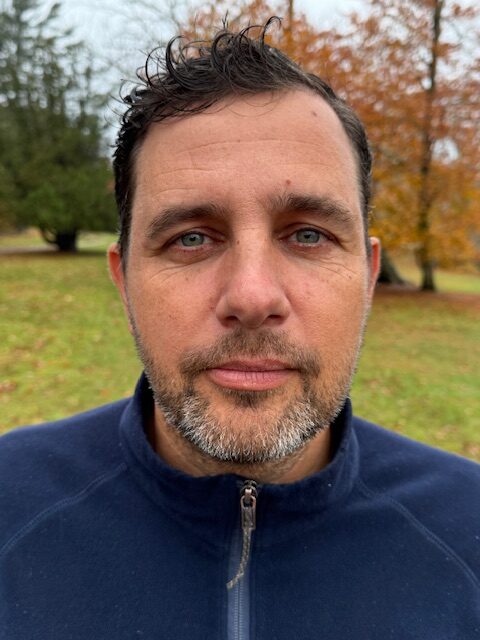
Join Executive Director Stephen Searl as he discusses the layered and rich history of Sylvester Manor and its ongoing transformation from private estate to public facing nonprofit.
The lands of Shelter Island’s Sylvester Manor were home for millennia to indigenous Manhansett People. The 236-acre site is the most intact remnant of a former slaveholding plantation north of Virginia. Known today as Sylvester Manor, the site was home to eleven generations of Sylvester descendants, from 1652 until 2014, when it was gifted to the nonprofit organization Sylvester Manor Educational Farm. Over the past 370 years, Sylvester Manor has been a provisioning plantation, an Enlightenment-era farm, and a pioneering food industrialist’s summer estate; and today includes the 1737 Manor House, a restored 19th-century windmill, an Afro-Indigenous Burial Ground, a working farm, and educational and cultural arts programs open to all. Sylvester Manor was designated a Historic District of national significance on the National Register of Historic Places in 2015.
Stephen Searl has been Executive Director of Sylvester Manor for 8 years and has nearly 25 years of experience in nonprofit management, board governance, fundraising, historic preservation, land and natural resource conservation, program development, and community outreach.
A native of the North Fork, Stephen grew up working in his family’s business, Wickham’s Fruit Farm in Cutchogue, New York. Stephen graduated from Cornell University’s School of Agriculture and Life Sciences and received a Master of Science degree from the University of Vermont in Natural Resource Planning. He has held positions at various conservation organizations on Long Island over the years, including Peconic Land Trust (Southampton) and the North Shore Land Alliance (Oyster Bay). While at Peconic Land Trust, he worked closely with Eben Ostby and Bennett Konesni, family descendants of Sylvester Manor, to form the existing non-profit, start the farm, and preserve the property. He also has a private consulting business where he works with numerous land owners on conservation, land-use planning, agriculture, and real estate throughout the East End of Long Island.
