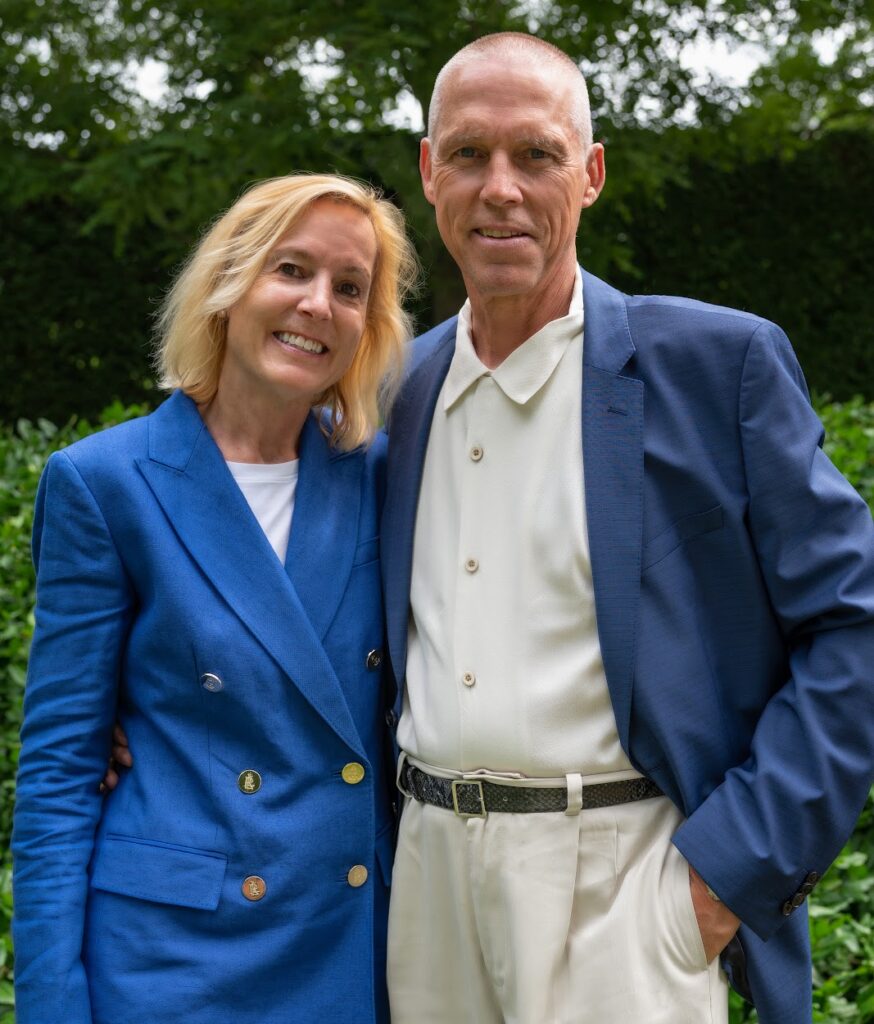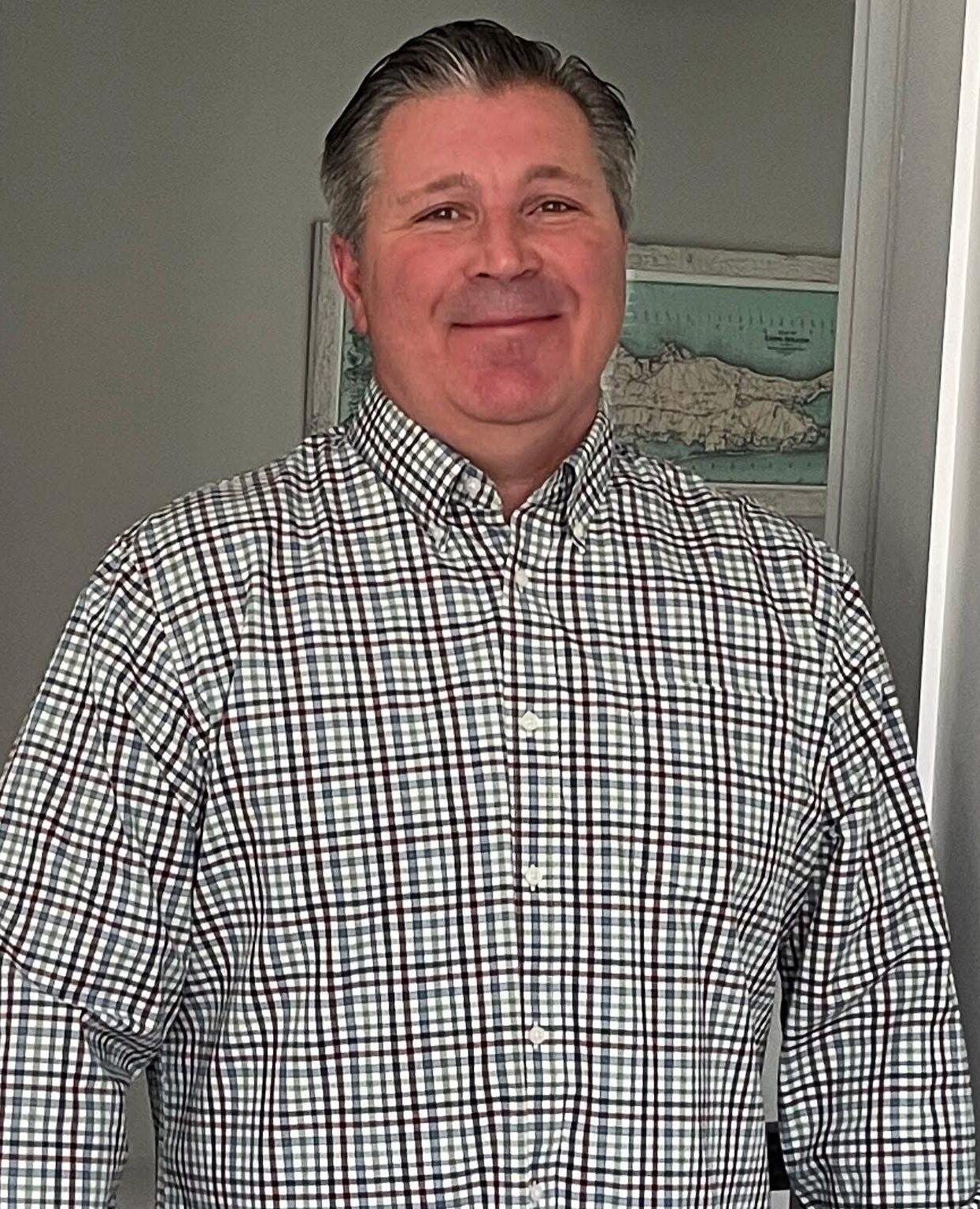
Though it changed its name from East End Country Kitchens to Pazera Cabinetry, this Calverton born and raised company has always been a family affair. Started in 1976 by Henry Pazera and his best friend George Wagner in an old potato barn, the company has been solely owned by the Pazera family since 1990, now owned and operated by sons Pete and Paul. Pete, a graduate of Hamptons Bay High School and later Villanova University, grew up and stayed in the business, while brother Paul, returned to the business after a career as a school teacher in Maryland.
The name change, Pete says, was not so much a reflection of a transformation but of a rebranding that doesn’t limit the company’s geographic reach or scope of work.
“A lot of people thought we only work on the East End, which isn’t true,” Pete explains. “The word ‘country’ made us seem like all we did was woodworking, then the other problem with the name ‘kitchens’ is we were shoehorned into only kitchens.”
The new name, he says “covers all the aspects of what we can do from modern high-end kitchens and vanities, to laundry room, bars, bunk beds and more.”
Now with some 40 employees, the company is still based in the Calverton potato barn, where they draft, design and conduct back-office operations, but also where visiting clients can peer into the studio and see work in progress. The Pazera’s dedicated showroom in Westhampton Beach is where they can put eyes and hands on actual product. The showroom partners with the Wolf and Sub-Zero brands, so clients can see a fully realized kitchen and do their one-stop-shopping.
Pete spoke to Southforker about living in a “white oak world.”
Southforker: We’re living in technological times: How has that helped you in your business?
Pete Pazera: One hundred percent it has helped us. When I first came here, we would do drafting by hand. You’d get out an eraser and use a vellum and a blueprint machine and copy one page at a time. Around 2004, we switched to AutoCAD, so you can draft on the computer, email drawings to someone, and they instantly have it. I don’t have to print it or mail it or drive to their home. We also use a new product called Mosaic, which does 3D renderings, so it helps people see the kitchen with different wood or paint, light fixtures, the stone they pick.
SF: How about machinery? Any bells and whistles that help you get the job done better or faster?
PP: The big step for us was in 2018 we got a CNC machine, [Computer Numerical Control, an automated digital device that uses pre-programmed instructions to cut, shape and drill materials] and now we do the programming. It’s safer for the workers and it’s more efficient because you can maximize your materials and get a better yield, and you have controlled, precise samples and sizes. But, there’s a lot of double and triple checking in what we do.
SF: What trends are you seeing and what has gone out of style?
PP: When I first started, pickled wood was the thing and everyone wanted beaded inset cabinets. Then around 2000, everyone wanted an old world look, so we were doing a lot of coffee-colored stains, and then you would get a glaze to it, and then you would fly speck it or do different embossed moldings.
Those days of cherry stains are gone … red oak’s gone, birch, ash, all pretty much gone. The latest trend is more modern, simple, things like slatted work, natural tones in white oak, which is the No. 1 wood we cut. It’s a white oak world. People want a simple kitchen with easier maintenance. About 75% of our work is kitchens, followed by bathrooms and then laundry rooms.
SF: How do you spend your spare time?
PP: I was a volunteer coach in Southampton for a few years and enjoyed that, but last year we bought a house in Port St. Lucie [Florida], and we gutted it, so that’s been a family project—we’ve done a few and my wife is already itching to do another one. But this will eventually be our retirement place. We visit our sons in Minnesota and Tampa, so family time and renovation time.
SF: Your brother spoke this week at the Southampton Construction Career Charitable Fund. Can you tell us about that?
PP: The organization goes into the schools out east to show local kids they can get in the subcontracting business, because not everyone’s college bound. Whether you’re a plumber, electrician, carpenter, there’s a career out here for you. It doesn’t always have to be college. This was the first time Paul was invited and we both plan to be involved in the charity in the future.