At this stage in the game, we all know (or at least should know) that the power of environmental preservation rests within our actions.
Perhaps the greatest local example of this understanding is at the South Fork Natural History Museum & Nature Center in Bridgehampton, the only state-of-the-art natural history museum in the Hamptons. For nearly 40 years, the museum has been deeply rooted in environmental education, consistently offering year-round explorative and engaging science-based programming and events to folks of all ages, turning its visitors into responsible, much-needed caretakers of the natural world that surrounds the South Fork.
That was the intention from the beginning, when the museum was founded in 1988 by seven local naturalists who realized the importance of nature education at the grassroots level. A year after its founding, the museum became a nonprofit. In its early stages SoFo, as it’s known colloquially, operated out of a nature clubhouse on Bluff Road in Amagansett behind the home of Andy Sabin, current president of the museum’s board of directors and one of its founders. Back then, the museum was a spot for kids to hang out, inspect seashells, watch butterflies and track the travel patterns of small amphibians. It was a unique place for exploration and discovery — and above all else, it was fun.


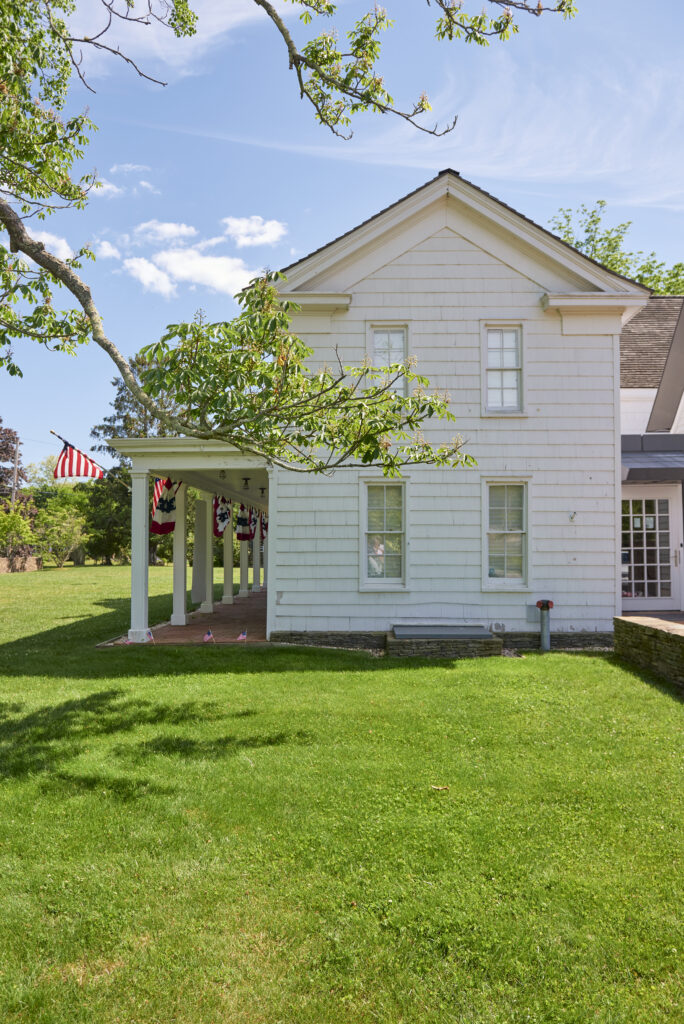
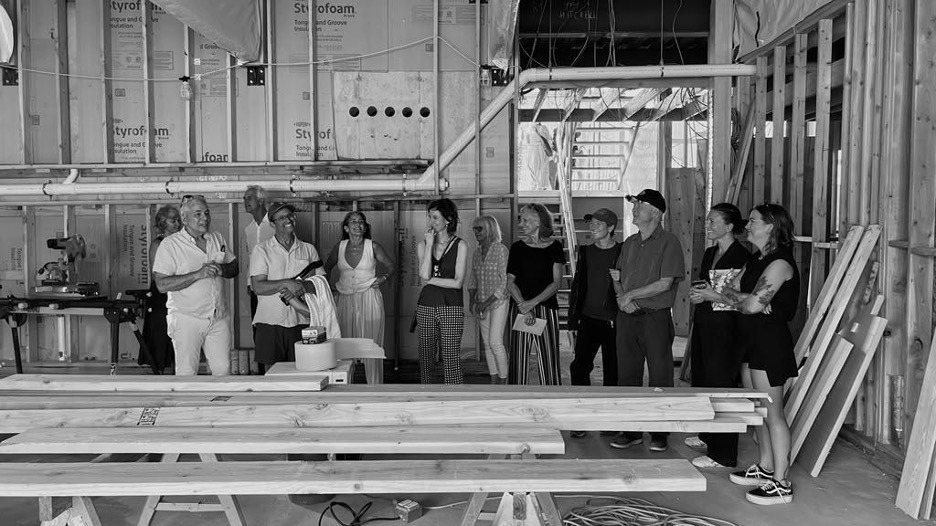
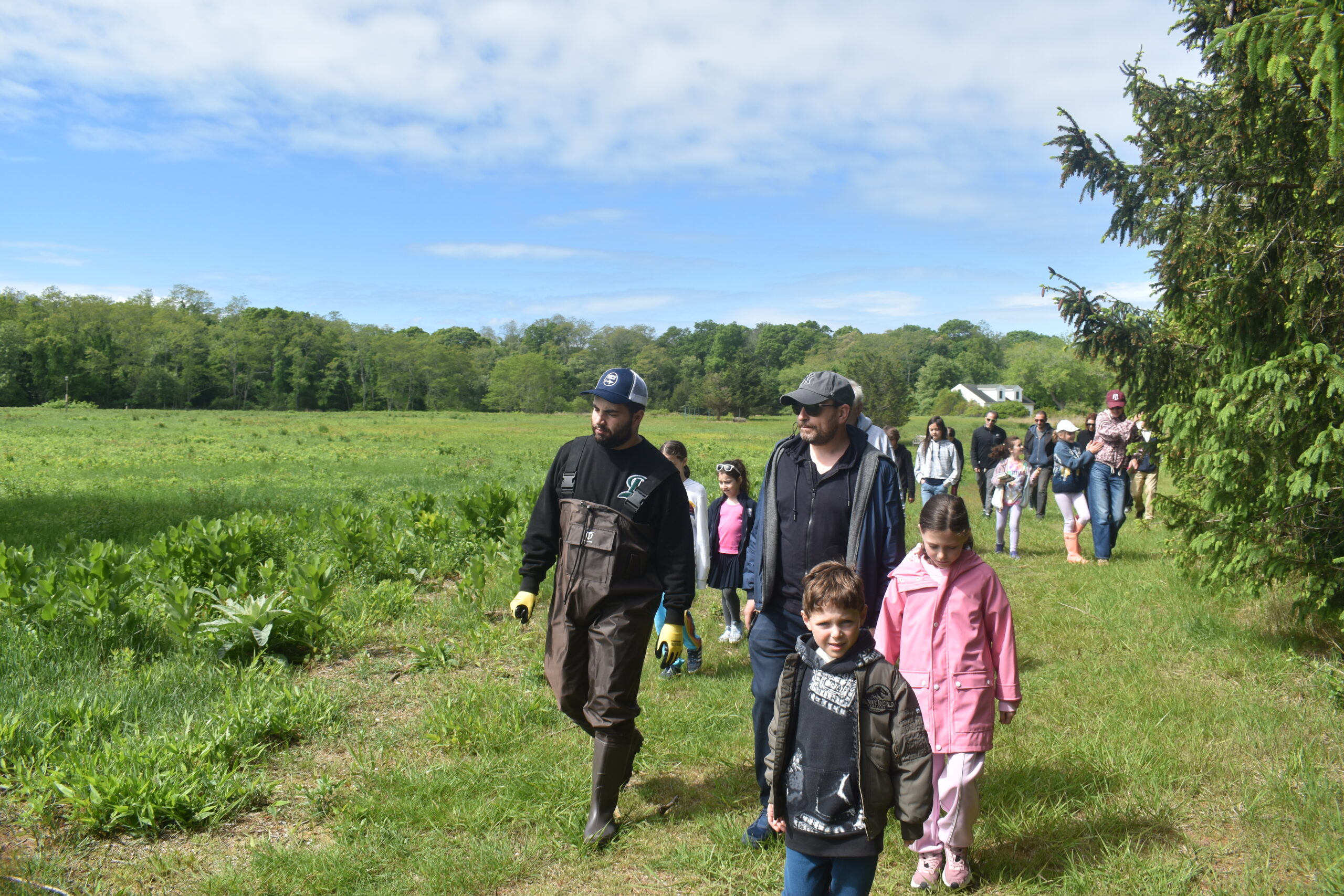
South Fork Natural History Museum uses its vast resources to both educate and create stewards of the land and sea. (Photos courtesy of South Fork Natural History Museum)
By 1999, the museum’s expanding membership outgrew its tiny location and the founders sought to purchase a three-acre property set along the Bridgehampton-Sag Harbor Turnpike adjacent to a dormant vineyard and the 1,100-acre Long Pond Greenbelt Preserve. A $5 million construction project that started in 2001 culminated in a 6,400-square-foot museum and nature center that opened in 2005.
“A lot of people come to this museum knowing more about what’s around the world than what’s right here on the South Fork,” says SoFo executive director Frank Quevedo.
While the expansive grounds — including the neighboring Greenbelt and 40 acre-meadow known as Vineyard Field Preserve — lend themselves well to outdoor educational programming through guided nature walks and programs (of which SoFo collectively hosts about 250 each year), as well as interpretive research, the interior of the museum is equally impressive and informative.
“We try to bring the outdoors indoors and stimulate people to become naturalists,” Quevedo says.
The small but knowledgeable staff all have a background in environmental sciences, and SoFo boasts several indoor exhibits relating to natural flora and fauna found across the South Fork. Highlights include a marine touch tank containing live shellfish and echinoderms; terrariums; aquariums; and scientifically accurate galleries featuring live and replicated natural habitats. Everything is intentionally placed to stimulate museum goers, with exhibits designed to not only be authentic and lifelike but interactive.
“One of our specialties is to keep the animals that we have here as ambassadors to teach our visitors,” Quevedo says.
Case in point, SoFo’s shark science research program sees a team of shark scientists and marine biologists working during the summer to periodically tag sharks with sophisticated satellite tags in an effort to monitor and track their behaviors and movements through Long Island’s South Shore, which has been confirmed to be a white shark nursery. SoFo also tracks eastern tiger salamanders, an endangered species for which a scientific tracking initiative was developed.
“You’re not going to protect what you don’t know, right?” says Quevedo. “Once you educate and teach people about something, then they may get it and then take that next step to protect it.”
SoFo is located at 377 Bridgehampton-Sag Harbor Turnpike in Bridgehampton and is open to the public every day from 10 a.m. to 4 p.m. Museum admission is $10 for adults; $7 for children ages 3 to 12); and free for members and children 2 and under. For more information, visit sofo.org.